Evaluating 50 Veterinary Flat Round Icons for Embroidery
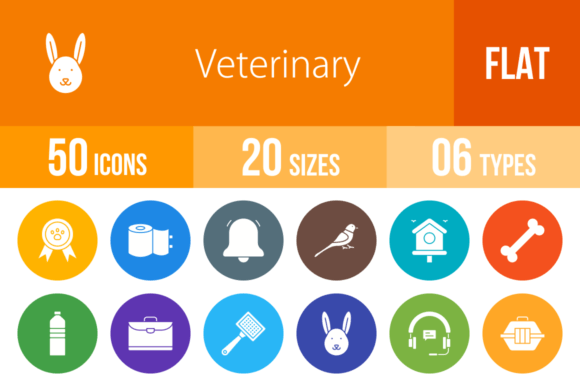
When I first opened the 50 Veterinary Flat Round Icons set, I wasn’t looking at it through the lens of a digital designer. I was holding a mental hoop, imagining thread, fabric, and the quiet hum of an embroidery machine. A client had just asked me to create a custom tote bag for her veterinary clinic’s open house, and I needed design assets that felt cheerful, professional, and unmistakably pet-friendly. This collection of round, flat icons immediately felt like a smart starting point—not because it was a ready-to-stitch embroidery file, but because the visual personality was already doing half the work.
The icons are built around a clean, circular format. That shape alone is a gift for anyone who stitches. Circles sit beautifully on hoops, they read as intentional patches, and they don’t fight the natural tension of fabric the way sharp corners sometimes do. The flat style, with its simple filled shapes and minimal texture, translates thoughtfully into embroidery. I could already see how a well-digitized satin stitch would give the rounded edges a polished, tactile finish, while a fill stitch could keep the interiors smooth and readable on denim, canvas, or even a soft cotton baby blanket.
First Impressions: Warmth, Whimsy, and a Gentle Professionalism
The mood of the 50 Veterinary Flat Round Icons is what I’d call approachable affection. There are dogs, cats, birds, rabbits, and a range of medical nods—stethoscopes, syringes, paw prints, hearts, crosses. The color palette is deliberately gentle, pastel-leaning in many icons, but the flat vector nature means I can recolor anything before digitizing. That’s important for embroidery, because thread color choice changes everything. A soft pink paw print on a navy sweatshirt might need to shift to a warmer coral to keep contrast crisp. The vector formats—AI, CDR, EPS—give me that freedom without losing a single clean edge.
I was particularly drawn to the way each icon stays balanced inside its circular boundary. There’s no awkward negative space, no tiny illegible text. The level of detail is restrained enough that a 2.5-inch hoop won’t feel overcrowded, but generous enough that a 4-inch patch on a denim jacket would still look intentional. For embroidery designers, that balance is everything. Too much detail and you spend hours simplifying. Too little and the finished product feels generic. This set lands in a comfortable middle zone.
Real-Life Embroidery: Where These Icons Belong
I tested the concept by choosing a simple dog icon and a cat icon from the set, digitizing them as a small run of embroidered patches for a local pet rescue fundraiser. The round shape let me finish the edges with a clean satin stitch border, and the minimalist style meant I could stitch them out on a single piece of felt without worrying about tiny details collapsing under thread. The final patches were crisp, identifiable, and surprisingly charming. When I stitched the same design onto a canvas tote bag, the result was a boutique-quality gift that felt personal and polished.
These icons suit a wide range of embroidery projects. I’d reach for them when making:
- Custom tote bags for veterinary offices, groomers, or pet sitters
- Embroidered patches for pet lover jackets and backpacks
- Baby onesies and nursery blankets with soft, friendly animal motifs
- Kitchen towels and aprons for households that treat pets like family
- Holiday ornaments and gift tags featuring favorite animals
- Small shop merchandise, from caps to zipper pouches, that needs a cohesive brand feel
The flat round style gives every project a sense of consistency. If you’re building a small product line—say, a collection of embroidered pillows featuring different veterinary icons—the visual harmony across all 50 designs helps your handmade products feel intentionally curated, not random. For an Etsy seller or craft fair vendor, that kind of recognition can build customer trust and repeat sales.
The Quiet Challenge of Small Details and Fabric Choice
No design set is perfect right out of the box, and the 50 Veterinary Flat Round Icons require a practical eye. A few icons contain slender lines—a syringe needle, a tiny paw outline, the curve of a stethoscope tube. At a 1.5-inch embroidery size, those details can become a headache. Satin stitches need a minimum width to look clean, and very thin elements may require a running stitch or careful simplification. I’d recommend using these icons at no smaller than 2 inches, and ideally 3 inches or larger, for the most professional result.
Dark fabrics also deserve extra attention. The flat icon colors often rely on subtle contrasts that can disappear on black or charcoal. Before committing to a final thread palette, I always run a black-and-white mockup or stitch a quick sample on scrap fabric. If you’re embroidering on a navy sweatshirt, for instance, you might need to lighten the background of the icon or use a bright outline to make the shape pop. A stabilizer is non-negotiable, especially on stretchy tees or thin woven fabrics. I prefer a medium-weight cutaway stabilizer for items that will be washed often, like a personalized pet blanket or a child’s hoodie.
Curved surfaces like caps and hat fronts also test the round shape. The circular design can look distorted if the digitizing doesn’t account for the fabric’s curve. I always test on a similar cap panel before running a batch, and I adjust the stitch angle slightly to compensate. The good news is that the flat, simple style of these icons tolerates minor adjustments without losing its character.
From Screen to Stitch: What Actually Changes
What makes the 50 Veterinary Flat Round Icons valuable isn’t that they arrive as embroidery files—they don’t. They’re graphics, delivered in AI, CDR, and EPS formats. That means you’ll need to digitize them yourself or work with a digitizer. For me, that’s a positive. I can control stitch density, choose between satin and fill stitches, and decide exactly how the design will sit on the fabric. The vector base is clean and scalable, so there’s no loss of quality when I enlarge an icon to a 5-inch hoop for a quilt block.
Before I digitize any icon, I run through a mental checklist: Is the design recognizable at a glance? Will the thread colors hold up on different fabric textures? Can I stitch it without constant thread breaks? For the majority of these icons, the answer is yes. The animal silhouettes are distinct, and the medical symbols are classic enough that even a simplified version reads clearly. For a craft business, that means fewer customer questions and more confidence in the finished product.
Building a Product Line Around These Icons
One of the most practical uses I see for the 50 Veterinary Flat Round Icons is creating a themed collection of handmade gifts. Imagine a gift set: a matching tote bag and kitchen towel embroidered with the same smiling dog icon, a baby bib with a tiny cat, and a set of fabric coasters featuring different pet silhouettes. The round shape ties the pieces together, while the 50-icon variety keeps the collection feeling fresh. For a small shop, this kind of cohesive branding can elevate everything from Instagram photos to packaging inserts.
I also love the idea of using these icons for embroidered labels or tags on handcrafted items. A small circular patch with a paw print and a heart stitched onto a handmade pet blanket adds a professional touch that buyers notice. And because the icons are vectored, I can merge them with simple text in my digitizing software to create personalized designs like “Dr. Miller’s Clinic” or a pet’s name.
A Designer’s Practical Checklist Before You Stitch
Before you turn these graphics into a finished embroidery project, here’s what I’ve learned to check:
- Stitch out a sample on the exact fabric you’ll sell. I keep a stack of cotton, denim, and knit scraps just for this.
- Review thread color contrast on both light and dark backgrounds. A soft pastel icon may need a darker outline on white fabric.
- Confirm the final hoop size. Don’t assume the digitized size matches your smallest hoop—measure twice.
- Inspect small details at the intended stitch size. If a thin line looks muddy, switch to a running stitch or simplify the shape.
- Use the right stabilizer for the fabric weight and stretch. A tear-away may be fine for a woven patch, but a knit baby onesie needs a cutaway.
- Check the licensing terms before selling finished items. The graphics are provided for use in various projects, but always verify commercial embroidery rights.
These steps aren’t specific to this set—they’re part of every embroidery project I take on. The 50 Veterinary Flat Round Icons just make the creative part easier because the design foundation is already so solid.
Final Thoughts for the Maker
After working with the 50 Veterinary Flat Round Icons across several sample projects, I’m genuinely pleased with how they translate into handmade embroidery. They’re not ready-to-stitch files, but they’re a versatile, well-organized set of design assets that let you build a product line with personality. The round shape, friendly subject matter, and flat vector style give you a head start on creating patches, apparel, home decor, and personalized gifts that feel warm and professional.
For the embroidery designer who wants to offer something pet lovers will adore, this collection is a smart addition to your design library. Use it to stitch a custom tote bag for a grateful vet, a pair of baby bibs for a cat-loving family, or a set of holiday ornaments that sell out at the craft fair. The icons give you the vision; your thread and machine bring the heart.