Male Doctor Illustration: A Designer’s Embroidery Review
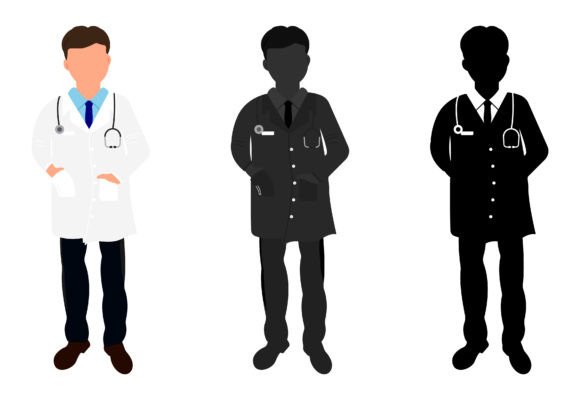
I’ve been sorting through a pile of new design assets for an upcoming craft fair, and the Male Doctor Illustration caught my eye immediately. It’s a simple flat vector of a standing medical professional — clean, no dramatic shading, just a friendly, approachable figure. That kind of restraint is exactly what I look for when I’m about to commit a design to thread and fabric. Overly complex illustrations can turn into a muddy mess under a needle, but this one already feels like it was born for a crisp stitch-out. I wanted to walk through how I’d actually use it in a real embroidery project, not just as a graphic on a screen, but as a finished product someone would buy, gift, or wear with pride.
First Impressions: A Mood That Works for Meaningful Makes
There’s something quietly confident about this Male Doctor Illustration. The standing pose, the minimal lab coat, the subtle stethoscope — it’s professional without being cold, and warm without being cartoonish. That’s a sweet spot for handmade products. It feels like a design you’d stitch onto a retirement gift, a thank-you tote for a pediatrician, or a baby onesie for a new dad who happens to be in medicine. The layout is straightforward and vertical, which means it fits naturally on a tote bag, a pillow cover, or the back of a sweatshirt without needing to be rotated or heavily cropped.
The flat vector style also means the shapes are distinct and separated. In embroidery, that’s a gift. You can assign each chunk — coat, pants, skin, hair — its own thread color and stitch type without worrying about awkward color blending. The illustration’s personality is gentle, and that translates directly into the kind of handmade product that feels intentional and personal. For a craft business, that emotional connection is half the sale.
Real-Case Scenario: A Custom Embroidered Tote Bag
Last week, a client asked me to create a handful of appreciation gifts for a hospital department. I immediately thought of this Male Doctor Illustration. I pictured a heavyweight canvas tote, natural off-white, with the design stitched in a deep navy thread for the coat, a soft peachy skin tone, and a charcoal gray for the trousers. The simplicity of the vector means I could scale it to fit a 5x7 hoop without losing any important detail, and the stitch count would stay reasonable enough for a satin-stitch outline and some light fill sections.
Before committing, I always test. I’ll pull the vector into my digitizing software, trace the main shapes, and decide where to use satin stitch for the outer edges and fill stitch for the larger areas like the coat. The stethoscope tubing is a thin line — I’d probably use a single running stitch to keep it from puckering. On canvas, a good cutaway stabilizer is non-negotiable. The tote’s weave is coarse, and without proper backing, the satin edges can sink right in. I’d also run a test on a scrap of the same fabric to check thread colors under natural light. The Male Doctor Illustration has such a limited color palette that contrast becomes the main character. A navy coat on a natural tote pops beautifully; on a dark tote, I’d need to switch to a lighter thread so the design doesn’t disappear.
Where the Design Shines in Embroidery Projects
This Male Doctor Illustration isn’t a one-trick pony. After testing, I can see it performing well on a whole range of embroidery projects that small business owners and crafters actually make. Here’s where I’d confidently place it:
- Custom apparel: A left-chest placement on a scrub top, a corner motif on a zippered hoodie, or a bold back design on a denim jacket. The vertical orientation works perfectly for these spots.
- Tote bags and grocery sacks: As I mentioned, it reads beautifully flat, and the design’s message is clear — great for market bags, library totes, or conference swag.
- Baby and children’s items: Onesies, tiny bibs, and baby blankets. Soften the thread colors a bit, and it becomes a gentle “my daddy is a doctor” theme. I’d use a soft pink or mint for the coat to make it nursery-friendly.
- Aprons and kitchen towels: A crisp doctor illustration on a linen apron makes a thoughtful gift for a medical student or a home cook who works in healthcare. The simple shapes stand up to the textured linen without getting lost.
- Patches and caps: For a patch, I’d digitize the design with a heavy satin border and a twill backing. On a cap, I’d be more cautious — the curved surface can distort the thin stethoscope line and the facial features, so I’d likely enlarge the design slightly and test on a structured cap frame.
- Pillow covers and wall hangings: A 7x7 or 8x8 hoop size on a cotton-linen blend pillow would make a cozy, profession-themed decor piece. The flat vector style lends itself well to a modern, minimalist look that’s on trend for Etsy shops.
Thread and Fabric Considerations That Matter
What I appreciate most about the Male Doctor Illustration is that it doesn’t demand a huge thread inventory. The design is inherently monochromatic-friendly, so you can build a whole product line around a few cohesive colorways. For a commercial embroidery run, that’s a time and cost saver. But here’s where the stitching clarity can get tricky: those tiny details — the face, the stethoscope earpieces, the buttons — need careful attention. I’d digitize the face as a simple embroidered outline or even leave it out entirely if the project is small. Sometimes a faceless version reads better on a bag or a kid’s hat. The Male Doctor Illustration gives you that flexibility without losing the design’s identity.
When I’m working with stretchy fabric like a onesie or a performance tee, I always use a no-show mesh stabilizer and a light basting stitch. The design’s vertical lines can pull the fabric if the stitch density is too high, so I’ll reduce the stitch count in the solid fill areas and rely on a satin border for definition. On dark fabric, I’ll either use a light thread color or add a white underlay to prevent the background from peeking through the fill stitches. I’ve lost count of how many times a perfectly good design looked dull on a navy sweatshirt because I skipped the underlay. The Male Doctor Illustration’s simple blocks of color make it forgiving, but you still need to test on your actual fabric before committing to a full production run.
When to Use Caution and How to Troubleshoot
No design is universally perfect, and the Male Doctor Illustration has a few edges that need awareness. Small hoop sizes — like a 4x4 — can make the face and stethoscope nearly illegible. I’d recommend a minimum of 5x7 for a clean stitch-out, especially if you’re keeping the original proportions. Textured fabrics like terry cloth or fleece can swallow the finer lines, so I’d stick to flatter weaves or use a water-soluble topping to keep the stitches raised. If you’re stitching on a curved surface, particularly a cap, I’d consider converting the design into an applique design: cut the coat shape from fabric, tack it down, and then do a satin edge. That reduces stitch count, adds texture, and handles the curve far better than a dense fill.
Another thing I always check is the black-and-white mockup. I’ll print the Male Doctor Illustration in grayscale and see if the shapes still hold up. This little habit has saved me from selling a design that looked great in color but fell apart when a customer ordered it on a monochrome product. The flat vector nature of this illustration means the contrast is usually strong, but I’d still verify. Also, check the source file formats — the description mentions “You will get the below format on source files – Ep,” which likely refers to an EPS or AI vector file. That’s excellent for scaling and digitizing, but confirm the exact file types before you buy. You’ll need to convert the graphic into an embroidery file yourself, so make sure your digitizing software can handle the vector format provided.
Commercial Use and Licensing: A Practical Reminder
Since the product listing mentions KDP, POD, marketing, and all kinds of projects, the Male Doctor Illustration appears to be cleared for commercial use. That’s promising for crafters who sell finished handmade items. But I always read the fine print. Some commercial licenses restrict the number of end products you can sell, or they may not allow you to resell the design as a standalone embroidery file. If you’re an Etsy seller planning to include this in a digital embroidery bundle, double-check that the license permits derivative works in that exact format. The same goes for using the design on print-on-demand items — if you’re having a third party print and ship, the license needs to cover that. The safe approach is to contact the seller or read the license terms before you launch a product line.
Final Thoughts From a Maker’s Perspective
I keep coming back to the Male Doctor Illustration because it solves a real problem for embroidery designers: the need for a professional, heartwarming medical-themed design that doesn’t overcomplicate the stitch process. It’s not a hyper-detailed portrait; it’s a smart, flat vector that translates into a clean, handmade product. In my own shop, I’d use it for a curated collection of tote bags, baby gifts, and appreciation patches, each with a slightly different thread palette but all rooted in the same approachable figure. For a small business owner, that kind of versatility is gold. It means you can build a cohesive brand look around a single design, and your customers will recognize the style instantly.
If you’re considering the Male Doctor Illustration for your next embroidery project, my advice is to test it on a sturdy fabric first, tweak the digitizing for the smallest details, and always keep a scrap toile handy. The plain vector style is a friend to the needle, but it still asks for the respect that any well-made design deserves. When you get it right, the finished product will carry that quiet, professional warmth that makes someone stop and say, “This feels like it was made just for me.”